Innovating public administration is now a concrete necessity, driven by a combination of factors both within and outside the public-sector context: on the one hand, the need to develop new skills, and on the other, the strong digital momentum of recent years.
This journey requires organisational change, even before technological change. This principle underpins the “Redesigning the Future of Italian Public Administration” project, developed by The European House Ambrosetti (TEHA) in partnership with DOS Design, which recently concluded a series of meetings designed to share the experiences of different public institutions.
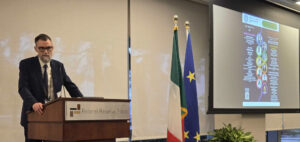
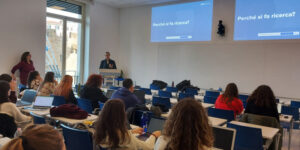
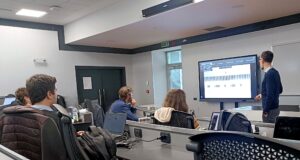
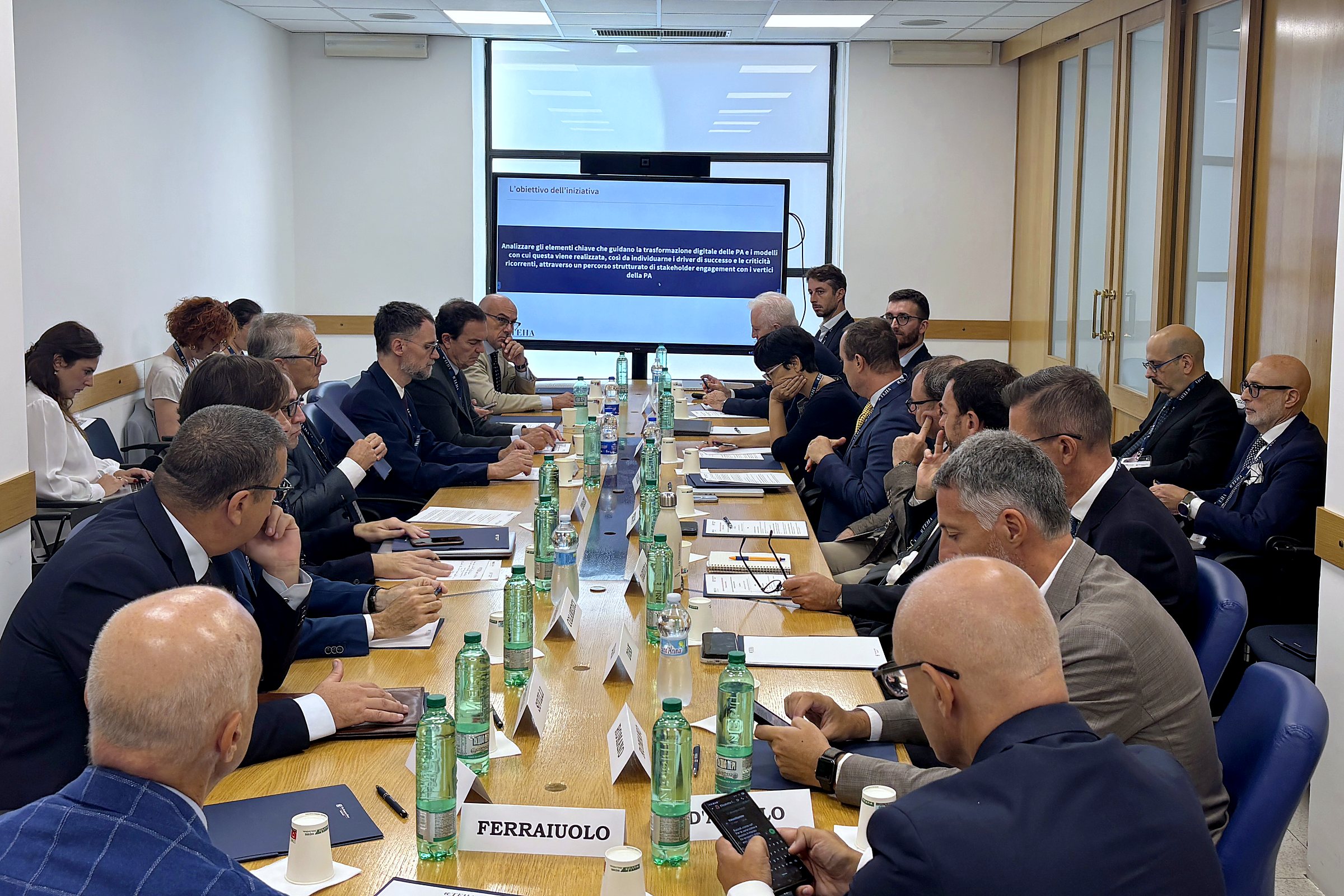
The working sessions, hosted respectively by the MEF, MIM and MLPS, brought together technology leaders from Italian public administrations to identify strategic priorities, success factors and recurring challenges in innovation programmes.
The first session examined the common landscape of digital fragmentation that characterises public administration, exploring possible pathways towards standardised ecosystems.
The second discussion focused on the role of advanced technologies in supporting process simplification, while drawing on the knowledge of those who manage public administration operations on a daily basis.
The final session turned its attention to the importance of continuous co-design, involving stakeholders in the development of effective solutions.
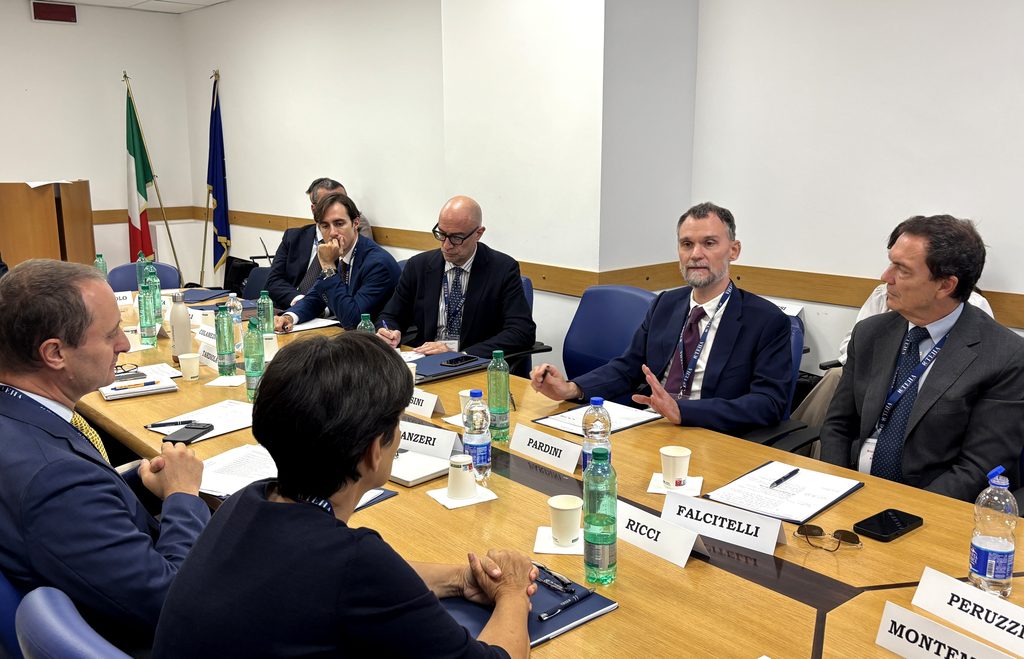
Overall, a shared conclusion emerged: the turning point for change lies in the ability of public administrations to adapt. Simply digitising organisations with rigid structures and fragmented workflows risks increasing complexity and failing to deliver the expected benefits.
For this reason, collaboration among institutions through a community-based approach becomes essential. Building a network of people, skills and experiences helps foster a distributed innovation model: a collaborative approach that enables knowledge sharing, supports the resolution of common challenges and encourages the development of solutions that can be reused and progressively integrated into broader systems over time.
With this strategic direction phase now complete, the service design programme is beginning, involving operational staff in workshops dedicated to experimenting with methods and approaches to digital transformation. The activities will be based on a fictional yet realistic scenario, specifically designed to draw on participants’ knowledge of processes, organisational needs and operational challenges.